
終活手帳 (Life Planning Notebook)
A step-by-step way to work through your 終活 at your own pace. Use the stages, tick off the checklist, and bring the questions you collect to a licensed professional or to us.
Your 終活 in Six Stages
There is no required order and no schedule. These six stages are a way of seeing the whole task so that it does not feel like a heap. Most people move back and forth between them, and many do some of them years apart. Skip anything that does not apply to you.
Begin With What Matters to You
Before lists and forms, spend some time on the questions the rest depends on. What do you want your later years to look like? Which relationships do you want to look after? Is there anything you want to say, or to ask forgiveness for? Many people find a plain notebook or an エンディングノート (ending note) from a bookshop a good place to jot these down.
None of this has legal force by itself, and it does not need to be tidy. It is simply the groundwork for the decisions that come later.
Take Stock of Assets, Papers and Accounts
List what you own and owe: bank and securities accounts, property, insurance, pensions, loans and guarantees. Add the papers that go with them and where they are kept, plus online accounts and subscriptions. See the Asset Planning and Digital Legacy pages.
As you go, mark what will need a professional. Land held jointly, shares in a family business and loans for which someone else is a guarantor all deserve a conversation with a tax accountant or scrivener.
Decide What You Want, and Who Handles It
This is where wishes become decisions: whether to make a will (遺言) and in what form, whom to ask to act on your behalf if you can no longer manage your affairs, what you want from medical and nursing care, and what you want for your funeral and your grave or memorial.
A notarised will (公正証書遺言) is made at a notary’s office (公証役場); a handwritten will can be kept at a Legal Affairs Bureau under a government scheme; guardianship and registration matters go through lawyers, scriveners and the courts. We do not draft or witness any of these, and we encourage you to ask a licensed professional about the form that suits you.
Put the Formal Parts in Order
Take what you have decided to the right professional: a notary for a notarised will or a voluntary guardianship contract, a lawyer or scrivener for the wording, a tax accountant for questions about inheritance tax. Ask what they need from you, and what they cannot do.
Keep the originals where your family can find them, and make a note of where that is. A will that nobody can locate does not do its job.
Tell the People Who Will Need to Know
Share what is appropriate with the people who will need it: the person you trust to be your contact, your family, your executor if you have one. You do not have to disclose everything, but they should know that the papers exist and where to find them.
See Family Dialogue for ways to begin. A short, planned conversation is usually easier than a surprise one.
Look Again When Life Changes
Plans age. A move, a marriage or divorce, a birth, a death in the family, a change in health or a major purchase are all reasons to look again. Rules can change too, so confirm anything legal with a professional.
Some people put a yearly date in their diary, such as a birthday or New Year, and check whether the notebook still says what they mean.
A 終活 Checklist
Tick items as you complete them. Your ticks are kept in your own browser (local storage) so that the page remembers them next time; they are not sent to us, and clearing your browser data removes them. The list is a starting point. Add your own items, and ignore any that do not apply.
Wills and Legal Arrangements
Money and Property
Phones, Accounts and Subscriptions
Care and Medical Wishes
Funeral, Grave and Memorial Wishes
Family and Legacy

A Suggested Order
If you do not know where to start, this order works for many people. It is a suggestion, not a timetable: some stages take an evening and some take months, and there is no correct pace. Each card says who usually helps with that stage.
Write Down Your Wishes
A page or two on what matters to you, who you would want involved and what worries you. It costs nothing, takes an evening and clarifies everything that follows.
Who usually helps: You, with a notebook; we can talk it through
Take Stock of What You Have
Build the inventory of accounts, property, insurance, pensions and online accounts. Do not include passwords. Put a date on it.
Who usually helps: You; a tax accountant for questions about taxes
Decide About a Will
Think about who should receive what and why. Then ask a notary, lawyer or scrivener about the form and the wording, and about the minimum share (遺留分) that Japanese law gives some relatives.
Who usually helps: A notary, lawyer or scrivener
Choose Who Acts for You
If you could not manage your own affairs, who would you want to? Ask them first. If you want a formal arrangement, ask about voluntary guardianship (任意後見).
Who usually helps: A notary or lawyer
Care and Medical Wishes
Write down what you want from medical and nursing care and tell your family and doctor. Revisit the note after any significant change in health.
Who usually helps: Your doctor, your family; support centres for older residents
Funeral, Grave and Memorial
Note what you would like and what you would not. Arrangements are made with a funeral provider and, for a grave, with the relevant temple, cemetery or municipal office.
Who usually helps: A funeral provider or cemetery administrator
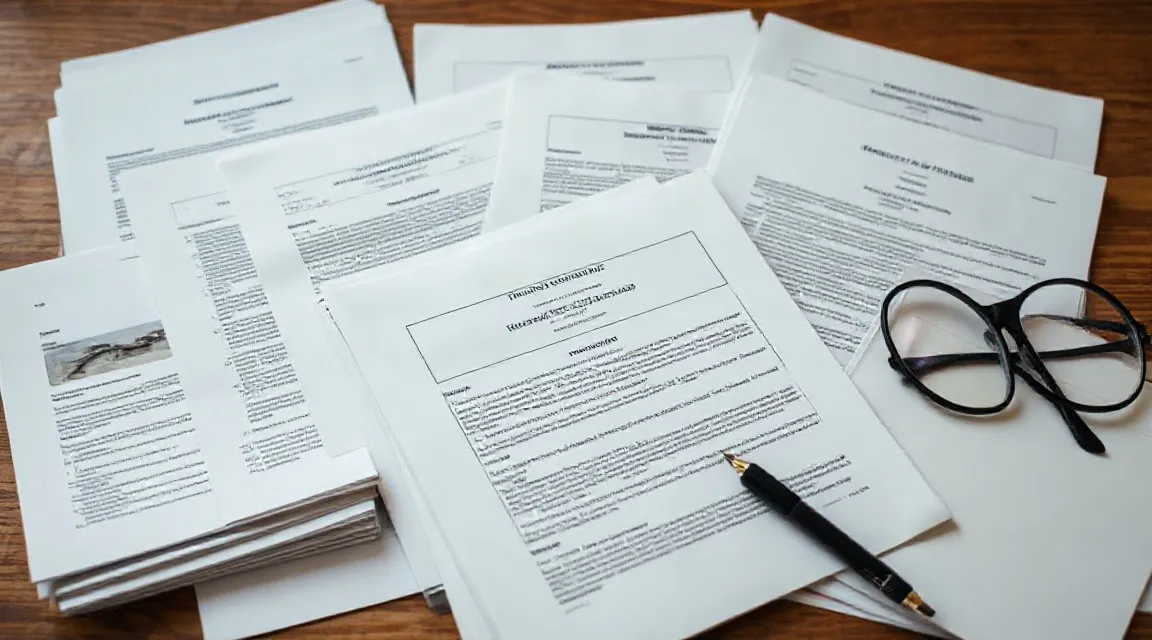
What the Notebook Sections Ask You to Write Down
These are the worksheets we use when we work through the notebook with you. They are not published as downloads on this site; if you would like to see how they are laid out, ask us when you write. You can also copy the headings into any notebook.
Asset and Accounts List
Columns for the institution, type of account, where the papers are and who else knows. We cover how to set this out when we work through the notebook with you.
Digital Accounts List
Service, type of account, what should happen to it and where the instructions are. No passwords.
Care and Medical Wishes Note
A one-page note: what matters to you, who you would want involved, where you would like to be cared for.
Where Things Are
A master list of where the originals are kept: will, seals, passbooks, insurance, property papers.
Funeral and Memorial Wishes
Style, size, who to tell, preferences for a grave or memorial, and what you do not want.
Family Meeting Agenda
Two or three topics, who speaks first, who takes notes, who will do what afterwards.
Letter to the Family
A few prompts for a short personal letter. Not a legal document.

When to Involve a Licensed Professional
Much of 終活 can be done by you and your family: lists, notes, conversations. Certain steps, though, are best left to licensed people. A lawyer (弁護士) advises on disputes and can help with wills and guardianship. A judicial scrivener (司法書士) handles property registration, including 相続登記. An administrative scrivener (行政書士) prepares documents. A tax accountant (税理士) advises on inheritance tax and files returns. A notary (公証人) makes notarised wills and guardianship contracts. Doctors advise on medical matters.
Seek help sooner, not later, if the family is large or divided, if you own land jointly with others, if there is a business, if a family member lives abroad, or if someone’s ability to make decisions is already in doubt. Blue Rain Harbor does not employ any of these professionals, is not affiliated with any named firm, and does not claim their qualifications. We can help you work out which of them you need and what to bring.
Work Through the Notebook With Us
If you would like company while you fill it in, write to us. The first conversation is free, and any further help is quoted in writing before it starts.
Write to Us